
Perfume Trends 2026: What to Try Next
The dominant perfume directions for 2026 are clear: texture-forward gourmands, creamy skin musks, nuanced berry and fruit notes, contemporary florals with a lavender revival, and assertive yet wearable woody bases. Vogue documents the defining behavioral shift from a single signature scent to a curated fragrance wardrobe, where you rotate scents by mood the way you rotate clothes. The practical response is immediate.
Start here:
- Wear-test a textured gourmand (pistachio, salted caramel, or matcha) on skin for a full day before deciding
- Add one creamy musk as a base layer beneath your current favorites
- Try layering two formats, such as a body oil under an eau de parfum, to see how your scent evolves across the day
The thread connecting all of these directions is texture. DSM-Firmenich perfumer Nicole Mancini describes 2026 as “texture-driven perfumery,” where contrasts between sparkling and warm, hot and cold, create emotional depth rather than a flat linear scent. A single signature is no longer the goal. A wardrobe is.
Key Takeaways
The defining shift of 2026 is from a single signature scent to a deliberately curated fragrance wardrobe built on texture, natural materials, and intentional layering.
| Point | Details |
|---|---|
| Texture is the 2026 theme | Perfumers describe 2026 as “texture-driven,” using hot/cold and sparkling/warm contrasts for emotional depth. |
| Neo-gourmand has evolved | Pistachio, salted caramel, matcha, and toasted rice replace overt sweetness with complexity and wearability. |
| Skin musks are now mainstream | Creamy, milky, close-to-skin musks moved from niche to everyday staple; layer them under florals or gourmands. |
| Format variety builds your wardrobe | Body oils, hair mists, and extraits each serve a distinct role; layering formats creates a signature that evolves. |
| Maisonvoyageurparfum | Natural ingredients and slow Mediterranean composition align directly with 2026’s texture-first, artisanal direction. |
Table of Contents
- 1. Neo-gourmand scents have grown up: comfort with texture, not candy
- 2. Creamy musks and skin-scent are now everyday staples
- 3. Fruit notes have become more textured and grown-up
- 4. Contemporary florals are finding new narratives
- 5. Woody, tobacco, and assertive bases are becoming more wearable
- 6. Solar accords, fantasy notes, and new formats are reshaping how you wear scent
- 7. How to update your perfume collection for 2026
- 8. Notable 2026 launches and enduring icons worth sampling
- 9. Why the artisanal Mediterranean approach fits 2026 perfectly
- Sources
1. Neo-gourmand scents have grown up: comfort with texture, not candy
The gourmand family has been quietly shedding its sweetness. Where early 2000s gourmands leaned into sugar and vanilla like a dessert course, the neo-gourmand of 2026 reads more like a slow-roasted kitchen: toasted, savory at the edges, restrained. NewBeauty’s data-backed reporting confirms pistachio, salted caramel, caramelized honey, and matcha as the notes driving this shift, supported by toasted rice, nutty accords, and spiced woody vanilla.
The difference in wearability is real. A sugary gourmand can feel cloying by midday; a textured one, built on sandalwood or a dry woody vanilla base, stays interesting across hours. These compositions also layer exceptionally well with skin musks or soft woods, which is part of why they have moved from niche curiosity to mainstream trend. Telemadrid’s fragrance reporting notes that complexity over overt sweetness is the defining shift in 2026 gourmand profiles.
Pro Tip: Spray a neo-gourmand on the inside of your wrist, wait 30 minutes, then smell it again. If the sweetness has faded and something toasted or nutty has emerged, you have found a textured gourmand worth exploring. If it still smells like candy, it belongs to an older generation of the genre.
2. Creamy musks and skin-scent are now everyday staples
Skin-scent is exactly what it sounds like: a fragrance that smells like your skin, only better. Creamy, airy, intimate, and close to the body, these musks do not announce themselves across a room. Harper’s Bazaar reports that skin-scent formulations moved from niche to mainstream in 2026, with milky lactonic accords (oat milk, rice milk, matcha) becoming everyday staples rather than specialty choices. InStyle’s fragrance trend coverage similarly identifies creamy musks and milky accords as one of the six defining directions of the year.
How to wear them well:
- Apply to pulse points and hair. Skin musks are designed for intimacy; they bloom when warm. The nape of the neck and inner wrists are ideal. A light mist through hair extends the effect for hours.
- Use them as a base layer. A creamy musk applied first, then a floral or gourmand sprayed over it, creates a depth that neither scent achieves alone.
- Expect subtlety, not sillage. These are not projection fragrances. Longevity is moderate; reapplication is part of the ritual, not a flaw.
- Choose an eau de parfum or extract concentration if you want the musk to last past midday without reapplying.
The appeal is practical as much as aesthetic. A skin-scent works in a meeting, on a flight, or layered under something bolder for an evening. It is the fragrance equivalent of a well-cut white shirt.
3. Fruit notes have become more textured and grown-up
Fruity fragrances used to mean bright, transparent, and slightly synthetic. The 2026 version is different: darker, riper, more textured. Think jammy blackberry rather than fresh raspberry, or fig with a milky skin quality rather than a sharp green bite. Tropical reworkings of mango and guava are appearing alongside nutty or creamy pairings that add weight and sophistication.
Key fruit directions to explore:
- Dark and ripe berries: blackcurrant, blackberry, and cassis in plush, almost jam-like expressions
- Fig: milky and skin-close, often paired with musks or sandalwood
- Tropical reworked: mango and guava treated with resins or blonde woods to add depth
- Nutty-cream pairings: fruit notes anchored by almond, pistachio, or oat milk accords
The cultural driver here is partly digital. #PerfumeTok has accelerated interest in nostalgic, comforting notes with a twist, and berry-forward fragrances photograph well and describe easily, which makes them viral-ready. Allure’s 2026 fragrance reporting notes that comfort and storytelling are the twin forces shaping what consumers reach for.
For seasonal suitability: ripe berry and fig profiles work across spring and fall, where their warmth reads as cozy rather than heavy. Tropical fruit reworkings carry better into summer, especially when the base stays light and the musks stay airy.
Pro Tip: When testing a fruit-forward scent for maturity, look past the top notes. If the dry-down reveals musks, blonde woods, or a soft resin, the fruit has somewhere to go. If it stays sharp and synthetic after 20 minutes, it is a simpler composition.
4. Contemporary florals are finding new narratives
Florals are not disappearing. They are being rewritten. The flat, generic rose or jasmine of mass-market perfumery is giving way to something more specific: bright Mediterranean neroli and orange blossom absolute, lavandin reworkings that feel modern rather than nostalgic, and fig leaf integrations that add a green, slightly milky texture. MujerHoy’s beauty reporting highlights a lavender and lavandin resurgence alongside contemporary floral reinterpretations for 2026, with bright neroli and azahar absolute among the most cited notes.
Three floral subfamilies worth knowing:
- Floral-oriental: warm, rich, and layered, with florals sitting over amber, benzoin, or tonka. These read as evening-appropriate and deeply personal.
- Bright Mediterranean florals: neroli, orange blossom, and azahar absolute with a solar, almost salty quality. Light enough for daytime, distinctive enough to feel considered.
- Modern lavender: lavandin (a sharper, more camphor-tinged relative of lavender) paired with tonka, musks, or fig leaf. The result is neither the lavender of a linen spray nor the lavender of a men’s cologne. It is something quieter and more interesting.
Wearing advice: pair a bright Mediterranean floral with a skin musk base for daytime, and let it deepen into a floral-oriental for evening by adding a woody or amber layer. Avoid pairing two heavy florals in the same layering session; one floral note with a textured base is almost always more compelling.
5. Woody, tobacco, and assertive bases are becoming more wearable
The shift in woody and tobacco fragrances is not toward more intensity. It is toward more nuance. ExpobeautyB2B’s industry commentary identifies textured woody bases, tobacco nuances, and lighter oud expressions as defining directions for 2026, with the emphasis on wearability rather than statement-making. Dry woods, patchouli with a cleaner edge, leather in restrained doses, and oud that reads as warm rather than medicinal are the textures to seek.
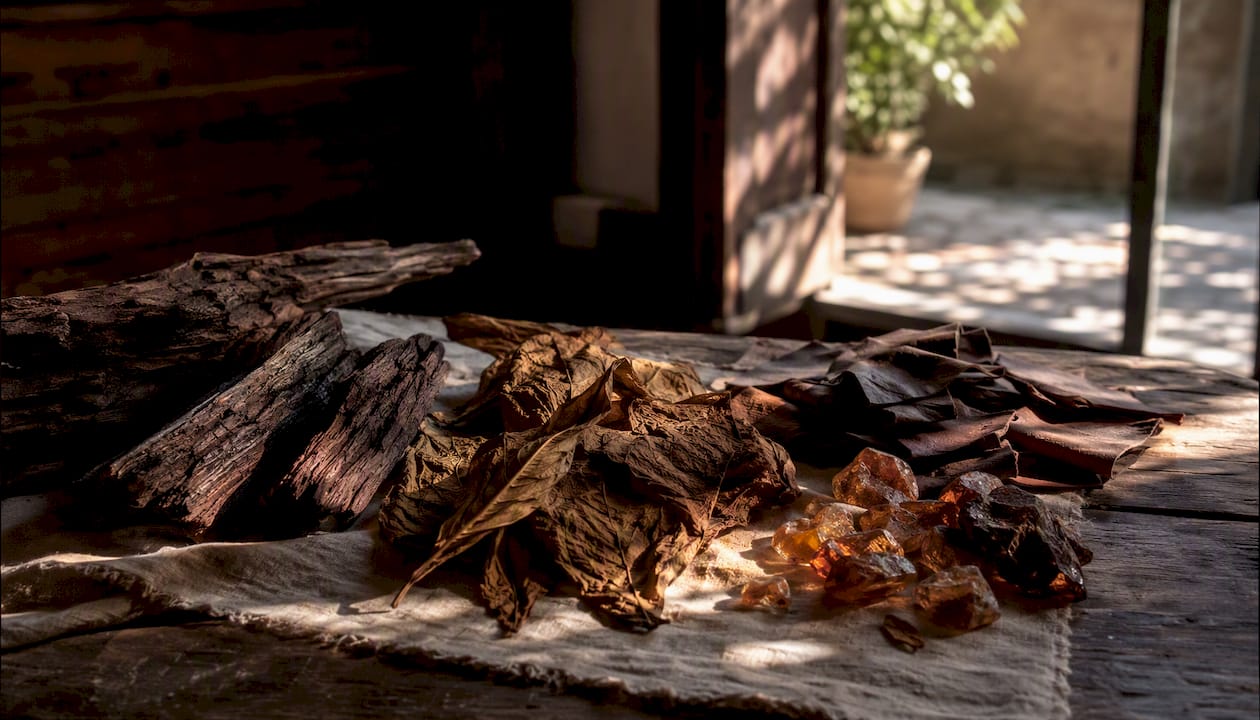
For daytime, look for compositions where the woody base supports a lighter heart: a floral or musk sitting over a dry cedarwood or vetiver, for example. These feel grounded without being heavy. For evening or formal contexts, tobacco and richer patchouli expressions come into their own, especially when paired with a gourmand or amber heart that softens the edge.
The most interesting development is how these bases interact with other 2026 trends. A textured woody base under a neo-gourmand adds sophistication and longevity. Under a creamy musk, it adds presence without overpowering. Under a contemporary floral, it prevents the composition from reading as generic. The base is no longer just a foundation; it is part of the story.
6. Solar accords, fantasy notes, and new formats are reshaping how you wear scent
Solar and golden accords evoke warmth, light, and place: a sun-warmed stone, a Mediterranean afternoon, the particular quality of light in late summer. Good Housekeeping’s trend reporting documents the popularity of these destination-inspired scents as year-round choices, not just summer picks. Fantasy accords push further into the imaginative: notes that do not exist in nature but evoke a feeling, a memory, or a story. These are where niche houses are doing their most interesting work, and where Allure notes the split between trend-driven mainstream releases and more experimental niche offerings.
Format innovation is equally significant. InStyle’s reporting recommends experimenting with formats beyond eau de parfum as part of a 2026 fragrance wardrobe. The practical options:
- Body oil or dry oil: applied first, it creates a scented base that helps the top fragrance last longer and bloom differently on skin
- Hair perfume or mist: lower alcohol content protects hair while leaving a soft, close-to-body trail
- Solid perfume: precise, portable, and ideal for reapplication during the day
- Extrait de parfum: higher concentration, slower evolution, and a more intimate sillage
A layering approach that uses formats rather than just multiple scents is one of the more practical ideas to emerge from 2026 trend reporting. Apply a body oil in your chosen scent family, then spray an eau de parfum from a complementary but distinct direction. The result is a bespoke signature that shifts across the day. This connects naturally to K-beauty’s broader 2026 approach to layered beauty rituals, where multi-step, format-varied routines are the norm rather than the exception.
7. How to update your perfume collection for 2026
A practical checklist, not a shopping list. The goal is a considered wardrobe, not a crowded shelf.
- Audit what you already own. Group your current fragrances by family: gourmand, floral, woody, musk, fresh. Note which ones you reach for and which ones you skip. The skipped ones are candidates for replacement.
- Choose one or two trend directions to explore. Trying all six at once leads to confusion. Pick the one or two that align with how you already dress and what you already wear.
- Sample before you commit. Travel sizes, decants, and sample programs exist for exactly this reason. Wear a sample for a full day, in real conditions, before forming an opinion.
- Build a layering plan. Identify one skin musk or body oil that can serve as a base layer. Then choose two or three scents that work over it. This gives you a small wardrobe from a few bottles.
- Decide: replace or add? If a current fragrance overlaps with a new one you love, replace it. If the new one fills a gap (a daytime musk where you only had evening florals, for example), add it.
- Set a budget by format. Travel sizes and decants for testing; full bottles only for scents you have worn at least three times and still want more of.
Pro Tip: Test no more than two new fragrances in a single session. Olfactory fatigue sets in quickly, and a third sample will smell like nothing. Give each scent at least 30 minutes on skin before moving to the next.
Pro Tip: Keep a simple scent journal: date, name, notes you detected, how it felt at dry-down. After a month of sampling, patterns emerge. You will know your actual preferences rather than your imagined ones.
Building a fragrance wardrobe is less about accumulation and more about intention. A few well-chosen scents that you rotate deliberately will serve you better than a shelf of bottles you rarely open.
8. Notable 2026 launches and enduring icons worth sampling
These are not ranked. Each one illustrates a specific 2026 direction and gives you a concrete starting point.
Givenchy L’Interdit remains one of the clearest examples of the contemporary floral-oriental direction: white florals over a dark, almost smoky base. It bridges the gap between accessible and complex, and it is widely available in department stores across Spain and online. The contrast between its bright floral heart and its woody, slightly bitter base is a textbook example of what Elle’s reporting means by texture-driven contrast.
Miu Miu Miutine represents the nuanced fruity direction: a plush, slightly jammy quality that avoids the sharpness of older fruity florals. It reads as grown-up and considered, with a musk dry-down that keeps it close to skin. Available at major beauty retailers and department stores.
Yves Saint Laurent Libre Berry Crush is the berry-forward fragrance that most clearly illustrates how fruit notes are being reworked in 2026: ripe, warm, and anchored by a woody-musk base that prevents it from reading as sweet or simple. A useful reference point for anyone exploring the dark berry direction.
Baccarat Rouge 540 is not a 2026 launch, but it remains the reference point for the textured gourmand-amber direction that the entire neo-gourmand trend is responding to. Its combination of saffron, ambergris, and cedar creates the kind of skin-close, warm texture that newer releases are trying to achieve. Widely available; often sampled via decant programs.
Kayali Freedom Musk and its Matcha variant sit squarely in the creamy musk and skin-scent category. The matcha version in particular illustrates the lactonic, milky accord direction that InStyle and Harper’s Bazaar both identify as mainstream for 2026. Light, intimate, and easy to layer.
Byredo Vanille Antique represents the neo-gourmand at its most refined: vanilla treated as a textured, almost savory material rather than a sweet one. It is an extrait, which means it evolves slowly and stays close to skin. A useful reference for understanding how concentration affects the gourmand experience.
For availability in Spain, all of the above are accessible through El Corte Inglés beauty counters, Sephora, or official brand websites. Decant services and niche sample programs offer a lower-commitment way to test before buying a full bottle.
9. Why the artisanal Mediterranean approach fits 2026 perfectly
The 2026 trends, taken together, describe a particular kind of perfumery: slow, textured, emotionally specific, and built on natural raw materials. That description fits the artisanal Mediterranean tradition closely.
Mediterranean raw materials, such as neroli from orange blossom, fig leaf, lavandin from Provence, and warm resinous bases from the region’s botanical heritage, are precisely the notes that 2026 trend reporting highlights. A small-batch approach allows for the kind of textural nuance that larger production runs tend to flatten. When a fragrance is made slowly, with attention to how each ingredient interacts with the others, the result tends to be the kind of layered, evolving scent that the texture-driven perfumery movement is reaching for.
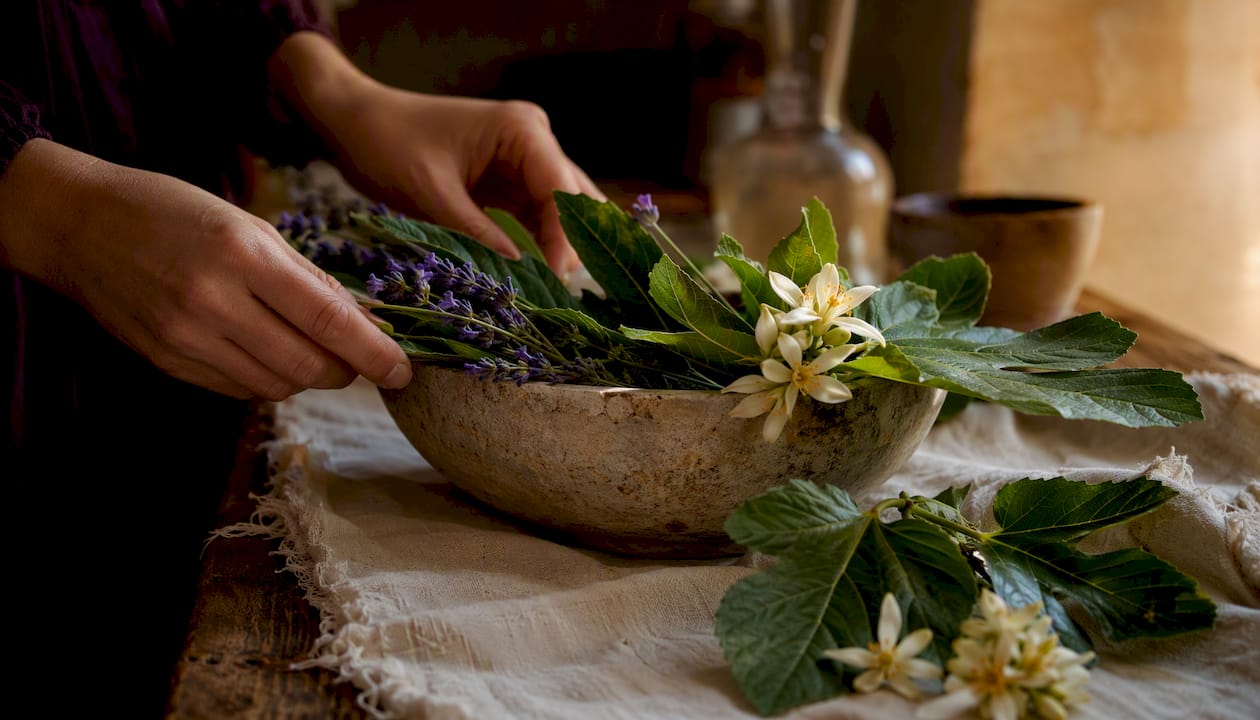
For readers looking to identify similar artisanal offerings when they shop, three signals are worth checking: ingredient transparency (does the brand list its natural materials?), concentration options (do they offer extraits or oils alongside standard eau de parfum?), and format variety (travel sizes and curated sets suggest a brand that understands the wardrobe approach). Maisonvoyageurparfum offers all three. Its approach to fragrance as emotional storytelling aligns with what the most thoughtful 2026 releases are trying to do: create a scent that means something, not just one that smells pleasant.
A note on wearing trends in 2026
The most useful shift in 2026 is not about which notes are trending. It is about wearing intention. Scent has become something you choose deliberately, the way you choose what to wear, rather than something you apply out of habit.
The single most practical thing you can do today: choose your fragrance based on where you are going and how you want to feel when you get there, rather than reaching for the same bottle every morning. That small act of attention is what separates a fragrance wardrobe from a fragrance habit. Intentional perfume wearing is not a complicated practice. It begins with a single deliberate choice.
Maisonvoyageurparfum: scent discovery aligned with 2026

The 2026 trends point toward texture, natural materials, and a wardrobe approach. Maisonvoyageurparfum is built for exactly that. Travel sizes and curated sets make it straightforward to sample multiple scents and build a layered rotation without committing to a full bottle before you are ready. The brand’s guided scent discovery approach helps you identify which directions, whether a Mediterranean floral, a textured gourmand, or a creamy musk, genuinely suit you rather than simply following what is trending. Visit Maisonvoyageurparfum to explore the current collection and find your starting point.
Sources
- Fragrance Is All About Comfort and Escapism in 2026 | Vogue
- The Biggest Fragrance Notes of 2026, Backed by Data | NewBeauty
Recommended
- Find Unique Scents Outside Mainstream Stores in 2026 – Maison Voyageur
- Find Your Signature Scent · Maison Voyageur
- Journal – Maison Voyageur
- The Environmental Impact of Perfume: What Conscious Buyers Should Know – Maison Voyageur
Les sept fragrances Maison Voyageur
- Manifesting · unisexe (69,99 €)
- Intuition · femme (69,99 €)
- Certainty · femme (69,99 €)
- Expansion · femme (69,99 €)
- Release · homme (69,99 €)
- Presence · homme (69,99 €)
- Inner Fire · homme (69,99 €)
Nouvelle ici ? Commence par le Discovery Set · les 7 fragrances en format voyage (40 €).