
Perfume for Cold Climates: 98% Natural Notes That Feel Like Home
Amber, gourmand, woody, spicy, and resinous notes carry the most warmth through winter air, holding their shape on skin far longer than fresh or citrus profiles ever do in the cold. Choose an EDP or Extrait concentration, moisturize skin before you spray, and let the fragrance settle for a few hours before you judge it. Layering on a scarf or sweater is a welcome extra, never a requirement.
TL;DR:
- Heavier scent families like amber, gourmand, woody, spicy, and resinous notes last longer in cold weather due to slower evaporation and better cling to warmth.
- Applying fragrance on moisturized skin and choosing higher concentration options like EDP or Extrait enhances longevity and reveals complex structures more gradually.
- Lighter citrus or aquatic fragrances fade quickly in winter, making heavier, natural, slow-aging ingredients preferable for lasting presence.
- For daily wear, a moderate amber or woody scent is recommended, while a denser resinous or oud-based fragrance suits evening occasions.
- Layering strategies such as spray on pulse points, fabric, and avoiding heat sources help maintain fragrance in dry, cold conditions.
Table of Contents
- Perfume Para Clima Frío: Which Scent Families Actually Work
- How Cold Air Changes the Way Perfume Behaves
- Choosing a Winter Fragrance by Style and Occasion
- Application and Layering Tactics That Actually Extend Longevity
- Crafting Warmth: How Maison Voyageur Approaches Winter Scent
- A Perfumer’s Honest Winter Habits
- Why Maison Voyageur Fits Cold-Weather Wardrobes
- Sources
- FAQ
Perfume Para Clima Frío: Which Scent Families Actually Work
Cold air behaves differently on skin, and lighter fragrances often disappear within an hour. Heavier molecules found in amber, gourmand, resinous, woody, and spicy compositions cling to warmth instead of dispersing into it, which is why they perform better in cold weather than anything built on citrus or aquatic notes.
Each family brings something distinct to a winter wardrobe:
- Amber wraps skin in a soft, resinous glow. Think labdanum and warm musk.
- Gourmand notes such as vanilla, tonka bean, and cocoa read as edible without ever feeling cloying.
- Woody bases like sandalwood and cedarwood give a scent its backbone. They ground sweeter notes so they don’t drift into sugary territory.
- Spicy accents, cinnamon, clove, pink pepper, add a flicker of heat that mirrors the season.
- Resinous materials, benzoin, myrrh, incense, lend a slow, smoky depth that unfolds over hours rather than minutes.
Oud and tobacco deserve a mention of their own. Both carry enough density to survive a Madrid winter afternoon or a snow-dusted evening, and they blend beautifully with benzoin or sandalwood for something that feels lived-in rather than loud.
A newer direction worth watching is the “snowlight” style: a crisp, almost ozonic top note laid over a warm amber or musk base, built to evoke the sharpness of winter air without the density of a full gourmand. It’s a quieter way to stay warm.
How Cold Air Changes the Way Perfume Behaves
Fragrance molecules evaporate more slowly in low temperatures, which means projection drops and top notes fade faster than they would in spring or summer. This is basic volatility. Cold air simply doesn’t carry scent molecules the way warm air does.
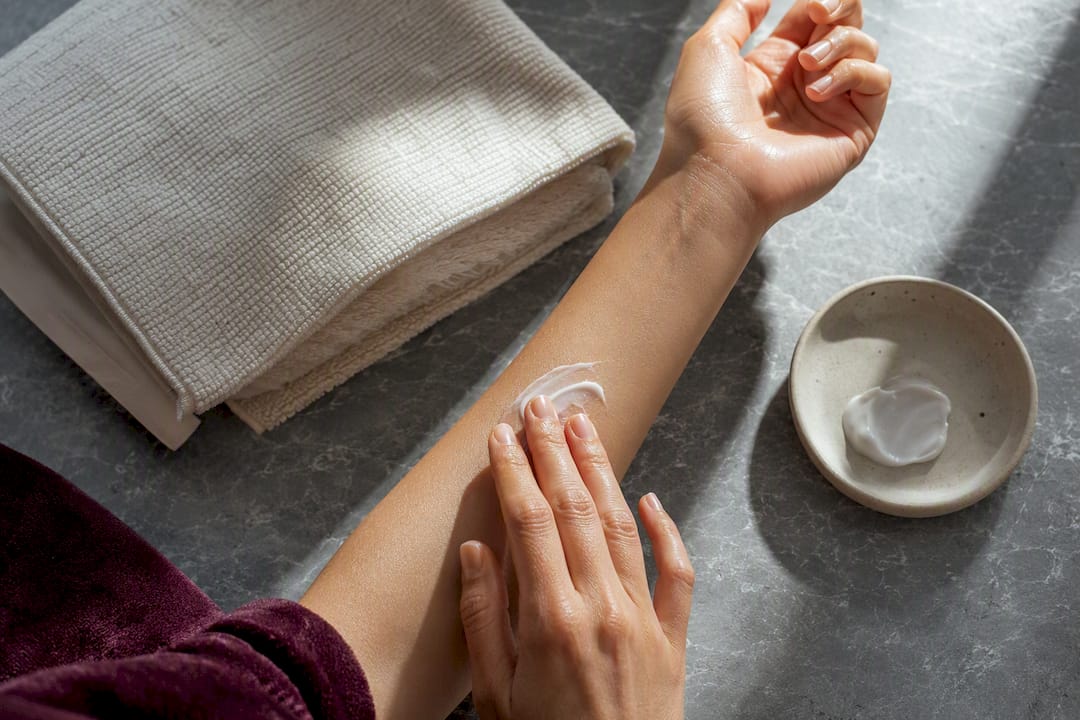
Perfumer Aurora García points to this exact shift, recommending ambery, woody, spicy, and gourmand compositions for the cooler months, and she pairs that advice with a simple habit: moisturize the skin before applying anything. Dry winter skin doesn’t hold fragrance well. Oils and lotions give the molecules something to cling to.
On concentration, the logic follows the same science. Because evaporation slows in the cold, an Eau de Parfum or Extrait de Parfum reveals its structure more gradually than an Eau de Toilette would, so richer accords stay balanced instead of tipping into something overwhelming.
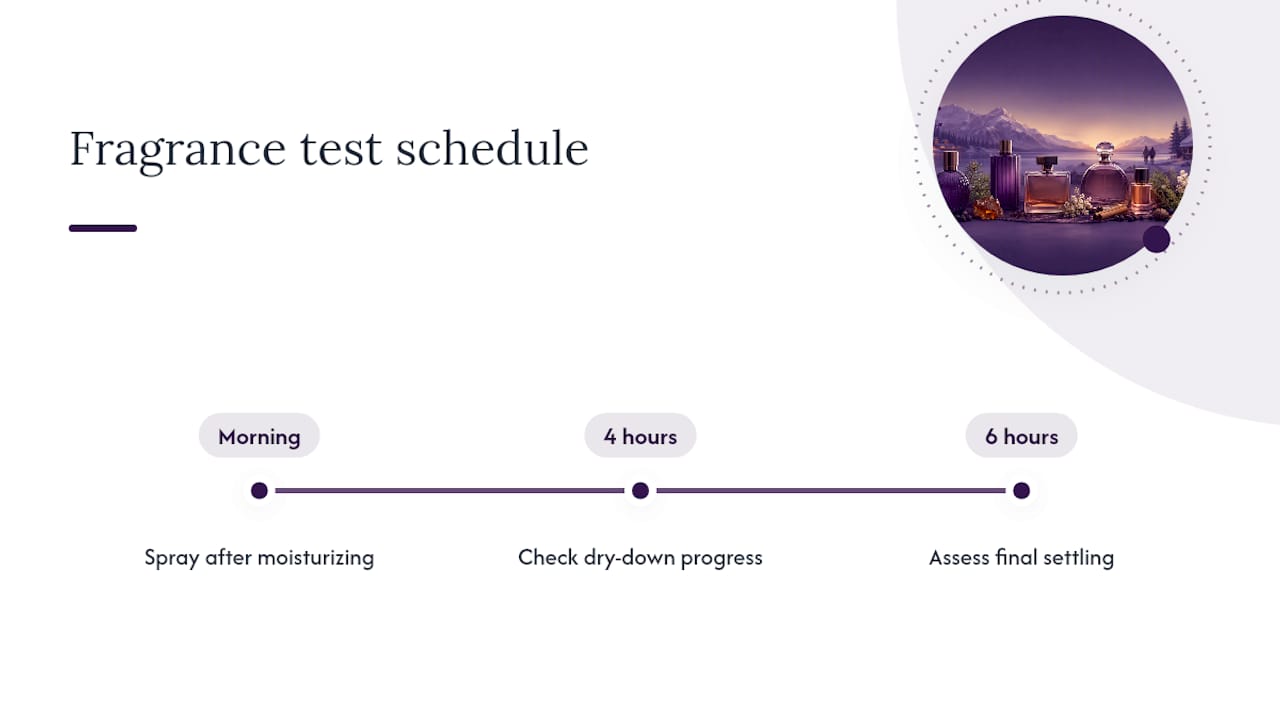
Before committing to a full bottle, try a decant or sample and give it real time. Spray it in the morning, then check back at the four hour mark and again near six. Skin chemistry shifts a fragrance more in winter than in any other season, and the only way to know how a scent settles on you specifically is to wear it, not just read about it.
Choosing a Winter Fragrance by Style and Occasion
Intensity should shift with the room you’re walking into. An office calls for something warm but restrained. An evening out can carry more weight.
For daytime wear, a lighter amber or a woody scent with a touch of spice keeps things professional without disappearing by lunch. Save the heavier gourmand and resinous compositions, thick vanilla, dense oud, deep incense, for evenings when there’s space for a fragrance to fill a room.
Gender lines matter far less here than scent family does. A sandalwood and tonka blend reads as easily on one wearer as another, and spicy resinous compositions tend to sit comfortably across preferences without needing a “for him” or “for her” label at all.
A few practical starting points:
- Keep one daily warm scent, something moderate, like a soft amber or woody base, for work and errands.
- Keep one statement evening option, denser and more resinous, for dinners and nights out.
- Editors who cover fragrance seasonally often suggest exactly this kind of compact two-scent rotation rather than a closet full of bottles that overlap.
- If you gravitate toward sweetness, lean gourmand. If you prefer something quieter, lean woody or resinous instead.
Application and Layering Tactics That Actually Extend Longevity
Winter skin is drier, and dry skin holds fragrance poorly no matter how good the bottle is. A few adjustments make a real difference.
- Moisturize first, unscented. An oil-based, fragrance-free lotion gives the perfume something to hold onto, and it won’t fight with the top notes the way a heavily scented body cream will.
- Spray pulse points, then fabric. Wrists and neck work as always, but a light spray on the reverse side of a wool scarf creates a warm halo that lingers near you without saturating a closed room.
- Choose EDP or Extrait over EDT. The denser the concentration, the more it has to give across a cold day.
- Test before you commit. A small decant tells you more in one wear than any product description will.
- Store bottles away from radiators and windows. Heat and light break down natural oils faster, so a cool, dark drawer keeps a winter fragrance stable from November through March.
Pro Tip: Keep a travel-size version of your daily warm scent in your bag. Winter air dries out fragrance on skin faster than you’d expect, and a midday touch-up on your wrists takes seconds.
For skin that stays stubbornly dry no matter what you apply, it’s worth looking at your winter skincare routine as a whole, not just the moment before you spray. Dry skin remedies built for winter can improve how any fragrance sits on you, not just the one you wore that morning.
Crafting Warmth: How Maison Voyageur Approaches Winter Scent
We build our fragrances slowly, and winter compositions ask for that patience more than any other season. Creamy, natural bases, sandalwood, tonka, benzoin, need time to settle into something that reads as cozy rather than heavy. There is no shortcut to that kind of depth.
Our Mediterranean roots shape how we think about warmth. Not the sharp heat of high summer, but the slower, golden kind, the light after a winter afternoon in Madrid, the quiet of a scarf pulled close.
Natural creamy bases combined with modest sweetness can feel both cozy and refined. It’s a balance we return to again and again when composing for the colder months.
Every Maison Voyageur fragrance is built from 98% natural ingredients, a choice that shapes texture as much as scent. Natural materials tend to age gracefully on skin through a long winter day, evolving rather than simply fading.
A Perfumer’s Honest Winter Habits
I keep two bottles on rotation each winter. One soft amber for ordinary days, one denser oud and benzoin blend for evenings that call for something more. That’s the whole system, and it works better than a shelf full of half-used bottles.
My rule for layering is simple: moisturize, spray, wait. Never judge a winter fragrance in the first ten minutes. The best cold-weather scents, the ones with real tonka or true sandalwood, need a few hours to show their actual character.
Building a small winter wardrobe beats chasing every new release. Two honest choices, worn well, outlast a dozen impulse buys.
— Celeste
Why Maison Voyageur Fits Cold-Weather Wardrobes
Maison Voyageur offers scents composed slowly, from natural materials, designed to hold warmth through a long cold season rather than thinning out quickly.

Our discovery sets let you try several warm, resinous compositions in travel sizes before you commit to a full bottle, exactly the kind of testing that matters most once the temperature drops.
If you’re ready to find your own winter rotation, a warm daily scent, a denser evening one, explore our collection and request a discovery set to start.
Sources
- Perfumes según clima: cómo elegir el adecuado
- Interview with perfumer Aurora García on autumn/winter fragrance trends
- How cold changes perfume perception and concentration advice
- Practical tips to prolong perfume in cold weather
FAQ
What perfumes should you wear in cold weather?
Amber, gourmand, woody, spicy, and resinous fragrances hold up best in cold weather because their heavier molecules evaporate more slowly than fresh or citrus notes.
What perfumes work best for women in winter?
Warm, gourmand compositions built on vanilla, tonka bean, or benzoin tend to perform well for women in winter, especially paired with a woody base to keep the sweetness grounded.
What is the best women’s perfume for winter?
There’s no single answer, but a rich amber or gourmand fragrance in Eau de Parfum concentration, applied on moisturized skin, is the most reliable formula for lasting through a cold day.
What scent should you wear in winter overall?
Reach for anything centered on amber, resin, wood, or spice rather than citrus or aquatic notes, since those heavier profiles are built to hold warmth against cold air.
Does perfume concentration matter more in cold weather?
Yes. Because evaporation slows in low temperatures, an EDP or Extrait de Parfum reveals its notes more gradually and projects better than a lighter Eau de Toilette.