
Nature's Role in Scent Therapy: A Science-Backed Guide
Aromatherapy, the recognized clinical term for scent therapy, is defined as the therapeutic use of natural plant-derived aromatic compounds to improve physical and psychological well-being. The role of nature in scent therapy is foundational: natural scents directly engage the brain’s limbic system, triggering measurable reductions in stress hormones, anxiety, and pain perception. Clinical trials from 2025 and 2026 confirm that aromatherapy reduces perceived stress by up to 59.1% within a single 30-minute session. Research from the Leverhulme Centre at Oxford further shows that plant scentscapes in botanic gardens improve heart rate variability more effectively than plant-free environments. These findings position nature-sourced scent not as a wellness trend, but as a biologically grounded tool for personal transformation.
How natural aromas physiologically influence stress and relaxation
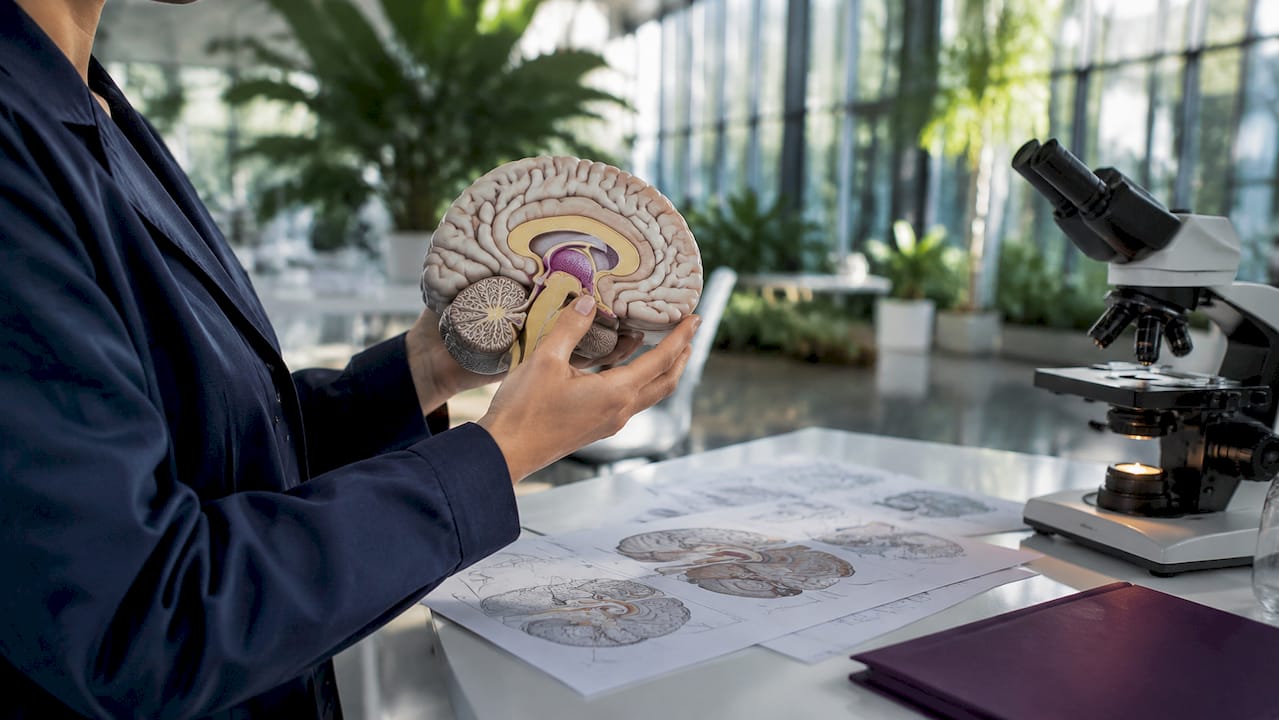
Natural scents work through a direct biological pathway. When you inhale an aromatic compound, olfactory receptors in the nasal cavity send signals almost instantly to the limbic system, the brain’s emotional processing center. This is the fastest sensory route to emotional response in the human body. No other sense bypasses the cortex so completely.
The limbic system then modulates the autonomic nervous system, shifting the body away from sympathetic activation (the fight-or-flight state) and toward parasympathetic recovery (rest and digest). Limbic system activation explains why a single breath of lavender or cedarwood can slow your heart rate within seconds. This is not placebo. It is neuroscience.
Key physiological effects of natural aromatic compounds include:
- Cortisol reduction: Compounds in lavender and bergamot suppress the hypothalamic-pituitary-adrenal axis, lowering cortisol output.
- Neurotransmitter modulation: Linalool, found in lavender and coriander, increases GABA activity, producing a calming effect similar to mild anxiolytics.
- Heart rate variability improvement: Vetiver and cedarwood blends have been shown to increase parasympathetic tone, a reliable marker of nervous system recovery.
- Cognitive clarity: Peppermint’s menthol compounds stimulate alertness by activating cold-sensitive receptors in the nasal passage, improving focus without stimulant side effects.
Pro Tip: Inhale directly from the bottle or a diffuser for 3–5 minutes rather than applying scent to skin alone. Direct inhalation delivers aromatic molecules to olfactory receptors faster and produces stronger limbic activation.
Understanding why certain smells feel like home deepens this picture. Scent memory is stored in the hippocampus, adjacent to the amygdala, which means a familiar natural aroma can simultaneously calm emotional reactivity and anchor a sense of safety.
What does the research say about natural scent therapy?
The clinical evidence is specific and growing. A 2026 systematic review of ICU aromatherapy trials found that natural scent therapy improves sleep quality by up to 100% and reduces pain perception significantly. These results came from some of the most physiologically stressed patients in medicine. That context matters: if aromatherapy works in an ICU, it works.
A separate controlled trial showed that a 30-day circadian-aligned protocol using morning peppermint-palmarosa blends and nighttime vetiver-cedarwood improved sleep quality and cognitive scores in adults aged 65 and older. Deep sleep duration increased measurably. Cognitive function scores rose. The study used a structured inhalation schedule, not casual diffusion.
Lemon oil deserves particular attention. A triple-blind clinical trial found that lemon aromatherapy reduced postoperative delirium by 21% and cut pain intensity by up to 2.64 points on a standard scale within 48 hours of surgery. Lemon oil’s d-limonene compound carries both analgesic and anti-inflammatory properties, making it one of the most clinically validated single-oil options available.
Environmental research adds another dimension. Oxford’s pilot study on botanic garden scentscapes found that diverse plant aromas reduce anxiety and improve heart rate variability more than plant-free outdoor spaces. The scentscape of an environment acts as a biological anchor, signaling safety to the nervous system at a level that isolated single-note diffusion cannot fully replicate.
| Oil | Primary Benefit | Clinical Evidence |
|---|---|---|
| Lavender | Anxiety and cortisol reduction | Multiple RCTs in ICU and general populations |
| Lemon | Pain relief, anti-delirium | Triple-blind postoperative trial |
| Vetiver + Cedarwood | Deep sleep, parasympathetic recovery | 30-day senior cohort trial |
| Peppermint + Palmarosa | Morning alertness, cognitive function | 30-day senior cohort trial |
| Botanic scentscapes | Heart rate variability, anxiety reduction | Oxford pilot environmental study |
“The scentscape of an environment acts as a biological anchor signaling safety and facilitating neurological stress recovery more effectively than isolated scents.” — Oxford Leverhulme Centre Research
Natural vs. synthetic scents: why the difference matters
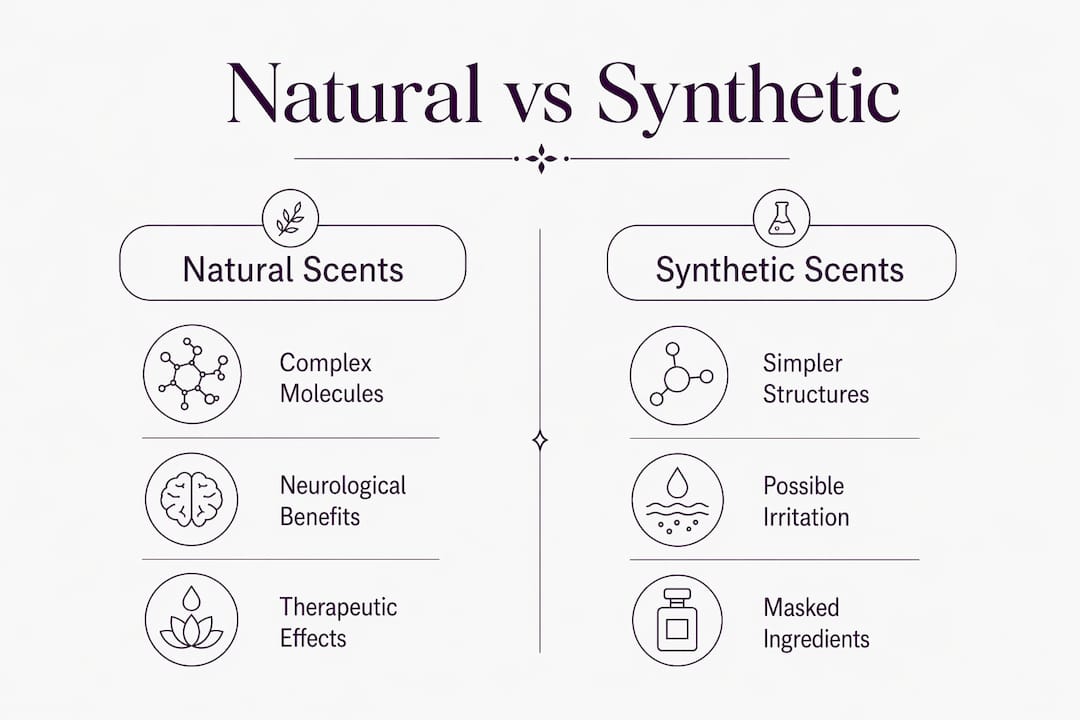
The distinction between natural and synthetic scents is not aesthetic. It is neurological. Natural oils carry complex molecular profiles that the brain processes as safety signals. A single drop of true rose absolute contains over 300 distinct aromatic molecules. The brain reads this complexity as familiar, biological, and safe.
Synthetic fragrance molecules are structurally simpler. They interact with olfactory receptors through higher curvature tension, physically forcing receptor binding rather than engaging through the subtle resonance attraction that natural compounds use. This difference in receptor interaction is not trivial. The brain registers it. Synthetic scents trigger limbic warning signals that can produce headaches, irritability, or unease, even when the scent itself smells pleasant on first contact.
Trace chemicals in synthetic fragrances compound this problem. Phthalates and petroleum-based fixatives, common in mass-market perfumes, activate low-level limbic irritation that many people experience as fatigue or mild headache after prolonged exposure. The effect is often subconscious. You may not connect the headache to the air freshener.
| Feature | Natural Scents | Synthetic Scents |
|---|---|---|
| Molecular complexity | High (100–300+ compounds per oil) | Low (1–10 primary molecules) |
| Brain response | Safety signal, parasympathetic activation | Potential warning signal, limbic irritation |
| Therapeutic depth | Validated in clinical trials | Limited therapeutic evidence |
| Side effect risk | Minimal with quality oils | Headaches, irritability with prolonged exposure |
| Authenticity | Direct botanical origin | Chemically reconstructed |
Pro Tip: Check ingredient labels for “fragrance” or “parfum” as catch-all terms. These often mask dozens of synthetic compounds. Authentic therapeutic products list individual botanical ingredients, such as Lavandula angustifolia or Citrus limon peel oil.
The olfactory profile differences between nature-based and synthetic formulations also affect how long a therapeutic response lasts. Natural oils tend to produce a sustained, evolving effect as different molecular layers evaporate at different rates. Synthetic scents often peak quickly and fade without the same depth of physiological response.
How to integrate nature’s scents into a daily therapeutic practice
Effective scent therapy is not about burning a candle occasionally. It requires intention, timing, and the right materials. The most clinically supported approach uses a circadian-aligned protocol, matching scent type to the body’s natural rhythms throughout the day.
A structured daily practice looks like this:
- Morning (6:00–9:00 a.m.): Diffuse peppermint or citrus oils for 10–15 minutes. These stimulate alertness and support cognitive activation at the start of the day.
- Midday reset (12:00–1:00 p.m.): Use a single drop of lemon or bergamot on a personal inhaler or diffuser pendant. This supports focus and reduces midday cortisol spikes.
- Evening wind-down (8:00–10:00 p.m.): Diffuse vetiver, cedarwood, or lavender for 20–30 minutes before sleep. These oils activate parasympathetic tone and prepare the nervous system for deep sleep.
- Weekly immersive session: Spend 30 minutes in a biophilic environment, whether a garden, a nature-scented room, or a dedicated aromatherapy space. This mirrors the scentscape conditions studied at Oxford.
Beyond timing, the environment matters. Multisensory nature-based spaces that combine scent with natural visuals and ambient sound produce stronger nervous system recovery than scent alone. Healthcare workers in recharge rooms with combined nature stimuli showed greater stress relief and alertness than those using scent in isolation. You can replicate this at home with natural light, plant imagery, and soft ambient sound alongside your diffuser.
When selecting products, prioritize these qualities:
- Single-origin botanical sourcing with named plant species on the label
- No added synthetic fixatives or “fragrance” catch-all terms
- Cold-pressed or steam-distilled extraction methods, which preserve the full molecular profile
- Small-batch production, which reduces oxidation and maintains potency
Exploring small-batch beauty and wellness products reveals why production scale directly affects therapeutic quality. Larger batches require stabilizers and preservatives that alter the molecular integrity of natural oils.
Key takeaways
Natural scents engage the brain’s limbic system through complex molecular profiles, producing measurable stress reduction, improved sleep, and emotional recovery that synthetic fragrances cannot replicate.
| Point | Details |
|---|---|
| Limbic system is the mechanism | Natural aromas reach the brain’s emotional center faster than any other sensory input. |
| Clinical evidence is strong | ICU trials show up to 59.1% stress reduction and 100% sleep improvement from natural aromatherapy. |
| Circadian timing amplifies results | Matching scent type to morning or evening rhythms produces greater physiological benefit. |
| Natural complexity signals safety | The brain reads 100+ molecular compounds in natural oils as safe; synthetic scents trigger subtle warning responses. |
| Multisensory environments enhance outcomes | Combining scent with natural visuals and sound produces deeper nervous system recovery than scent alone. |
What i’ve learned after years of watching people discover scent
The most common misconception I encounter is that aromatherapy is a soft, supplementary practice. Something you add to a bath. Something pleasant but not serious. The research tells a different story, and I think the gap between perception and evidence is the most interesting problem in this space right now.
What strikes me most about the 2025 and 2026 clinical data is not the stress reduction numbers. It is the context. These trials ran in ICUs and postoperative recovery wards. Researchers were not measuring relaxation in comfortable people. They were measuring physiological change in patients under extreme duress. The fact that lemon oil reduced postoperative delirium by 21% in that setting should reframe how seriously we take natural scent as a therapeutic tool.
The other thing I have come to believe strongly is that the synthetic versus natural distinction is not a purity argument. It is a functional one. When I see people using mass-market air fresheners and wondering why they feel vaguely irritable or fatigued, the answer is often in the ingredient list. Phthalates and petroleum-based fixatives are not inert. The brain notices them, even when you do not.
The most transformative shift I see in people who commit to a nature-based scent practice is not the stress relief. It is the attention. Slowing down enough to notice what a scent does to your body, where it takes your memory, what it opens in you. That quality of attention is itself therapeutic. The scent is the invitation. What you do with the stillness is the practice.
— Celeste
Discover maisonvoyageurparfum’s natural scent collections
Maisonvoyageurparfum was built on one belief: real luxury is time to explore within yourself. Every fragrance in the Mediterranean collection is slowly made with 98% natural ingredients, sourced to preserve the full molecular complexity that makes therapeutic scent work.

The personalized soy candle collection brings Mediterranean scentscapes into your home, designed specifically for manifestation and evening relaxation rituals. For those ready to explore more deeply, the full perfume collection offers botanical extractions aligned with the seven archetypes of personal transformation. Each scent is a starting point. Where it takes you is entirely your own.
FAQ
What is the role of nature in scent therapy?
Nature provides the complex aromatic compounds that engage the brain’s limbic system, producing measurable reductions in stress, anxiety, and pain. Without plant-derived molecules, aromatherapy loses its primary mechanism of physiological action.
Which natural oils have the strongest clinical evidence?
Lavender, lemon, vetiver, and cedarwood have the most robust clinical support. Lemon oil reduced postoperative delirium by 21% in a triple-blind trial, and vetiver-cedarwood blends improved deep sleep in a 30-day controlled study.
How quickly do natural scents affect the nervous system?
The limbic system responds to inhaled aromatic compounds within seconds. Autonomic nervous system shifts, including heart rate and cortisol changes, can be measured within minutes of inhalation.
Are synthetic fragrances harmful in scent therapy?
Synthetic fragrances are not therapeutic in the clinical sense and may cause subtle limbic irritation. Trace chemicals like phthalates can trigger headaches and unease with prolonged exposure, even when the scent itself smells pleasant.
How do i start a daily scent therapy practice at home?
Begin with a circadian-aligned protocol: citrus or peppermint in the morning for alertness, and lavender or vetiver in the evening for sleep preparation. Use a diffuser for 15–30 minutes per session and choose products with named botanical ingredients on the label.
Recommended
- Why Certain Smells Feel Like Home – Maison Voyageur
- Perfume Concentration Differences: A Clear Guide – Maison Voyageur
- Journal – Maison Voyageur
- Maison Voyageur · Mediterranean Perfumerie · Madrid · Istanbul · Paris
Les sept fragrances Maison Voyageur
- Manifesting · unisexe (69,99 €)
- Intuition · femme (69,99 €)
- Certainty · femme (69,99 €)
- Expansion · femme (69,99 €)
- Release · homme (69,99 €)
- Presence · homme (69,99 €)
- Inner Fire · homme (69,99 €)
Nouvelle ici ? Commence par le Discovery Set · les 7 fragrances en format voyage (40 €).