
Scent Rituals for Self-Discovery: A Practical Guide
Scent rituals for self-discovery are structured practices that use fragrance as a sensory anchor to access emotions, memories, and personal insight. Unlike passive perfume wear, these rituals belong to the broader field of olfactory therapy, a practice grounded in neuroscience showing that scent connects directly to the amygdala and hippocampus, the brain regions governing emotion and long-term memory. That neurological shortcut makes fragrance one of the fastest tools for emotional recall available to you. Maisonvoyageurparfum, a Mediterranean perfumerie based in Madrid, builds its entire philosophy around this connection, crafting each scent slowly with 98% natural ingredients to support genuine inner exploration.
1. Scent rituals for self-discovery: what they are and why they work
Scent rituals are intentional, repeated practices that pair fragrance inhalation with reflection, movement, or journaling. The word “ritual” matters here. A ritual has structure, timing, and purpose. That structure is what separates a meaningful practice from simply spraying perfume before you leave the house.
The neurological case is clear. Odor processing engages the olfactory cortex, which connects directly to emotion and memory centers. No other sense has this direct a route. Vision and sound travel through the thalamus first. Scent does not. That directness is why a single inhale can surface a memory or feeling before your conscious mind catches up.
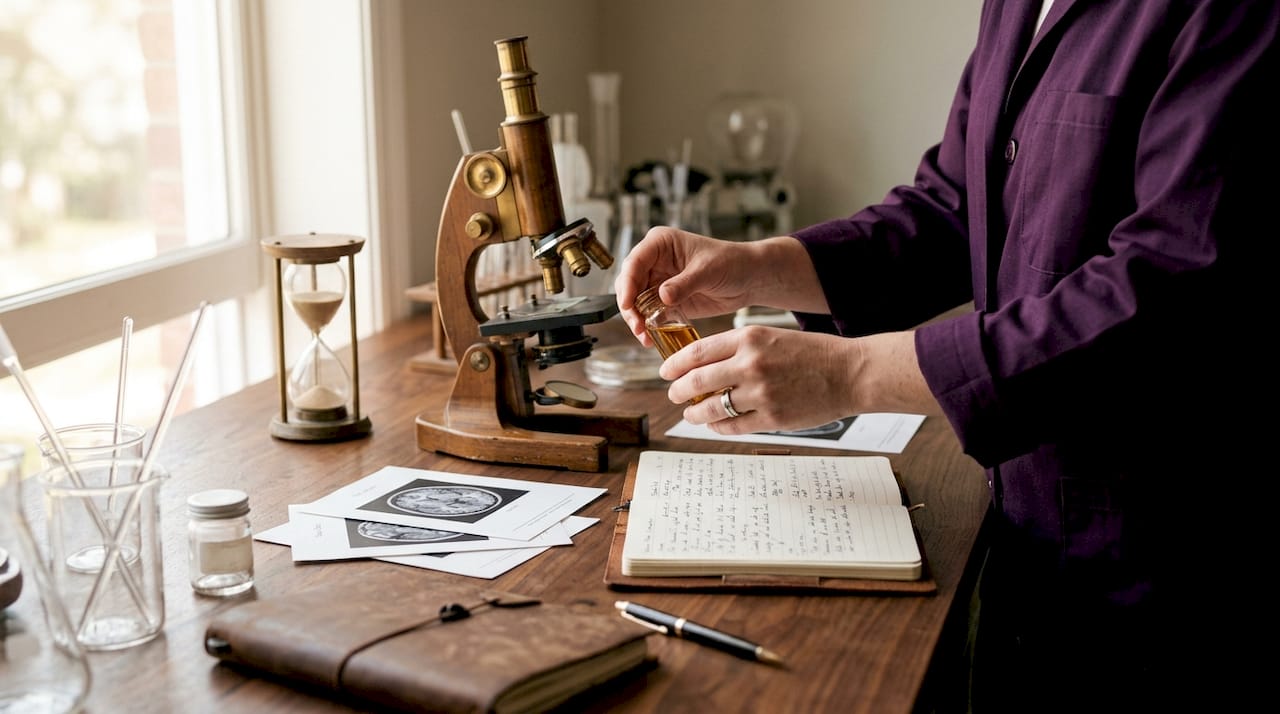
Over 80% of fragrance users report that scent lifts their mood. That figure points to something most people already sense but rarely act on deliberately. Mindful fragrance use shifts scent from a background element to an active emotional choice.
2. How to use scent as a mindfulness anchor
Mindfulness meditation traditionally uses the breath as an anchor, a fixed point of attention that the mind returns to when it wanders. Scent works the same way. Translating mindfulness to fragrance means focusing on the sensory experience of inhalation rather than the breath itself.
The practice is simple:
- Choose one fragrance and use it only for this ritual, not for daily wear. Keeping it separate preserves its emotional signal.
- Inhale slowly once. One long, deliberate breath. Let the scent arrive fully before you analyze it.
- Observe without judgment. Notice what surfaces: an emotion, a physical sensation, a memory. Do not chase it or push it away.
- Pause for 30–60 seconds. Sit with whatever arose. This is the reflection window.
- Write immediately. Record the first emotion, any memory or body sensation, and one belief or behavior you want to shift. This three-part journaling structure, drawn from stepwise scent ritual technique, gives your reflection a clear shape.
- Repeat daily at the same time. Repetition builds the neural association between the scent and the reflective state.
Pro Tip: If inward focus feels uncomfortable or activating, keep your attention on the scent itself rather than your inner emotional state. External anchor techniques are specifically recommended for trauma-sensitive practice, where directing attention outward to sensory experience is safer than turning inward.
Timing matters too. Morning rituals tend to surface intentions. Evening rituals tend to surface what the day stirred up. Both are valuable. Choose one to start, and stay consistent for at least two weeks before drawing conclusions about what the practice reveals.
3. Top techniques to evoke emotions and promote reflection
Different methods suit different people and different moments. These are the most effective approaches for fragrance rituals for inner exploration.
-
Single inhale plus immediate journaling. One slow breath, then write without stopping for five minutes. The immediacy captures emotional material before the analytical mind edits it. Repeated scent use during journaling accesses emotional content more directly than visual or textual cues alone.
-
Habit stacking. Pair your scent ritual with an existing routine, right after brushing your teeth or at the start of your morning journaling session. Habit stacking with a consistent scent also clarifies whether emotional effects come from the fragrance or the accompanying action, which sharpens your self-knowledge over time.
-
Layered sensory ritual. Combine inhalation with body lotion application or a brief self-massage. Combining aromatherapy with self-touch produces restorative effects that deepen emotional connection beyond what scent alone achieves.
-
Home diffusion as a container. Diffuse a fragrance in your reflection space 10 minutes before you begin. The scent fills the room and signals to your nervous system that this time is different from the rest of the day.
-
Consistent delivery route. Pick one method per ritual session and keep it. Varying delivery routes affects physiological outcomes and can muddy the emotional associations you are trying to build.
“Mindful fragrance changes scent from a background element to a conscious emotional tool, supporting awareness and emotional flexibility.” — NewBeauty, 2025
4. Choosing fragrances intentionally for different emotional needs
Functional fragrance is the practice of selecting scents to support specific emotional states rather than wearing fragrance purely for aesthetic reasons. The concept is well established in aromatherapy and is now entering mainstream wellness culture.
Different scent families serve different moments in the day. Functional fragrance principles recommend matching scent categories to emotional goals and using repetition to reinforce the neural association.
| Time of day | Scent category | Emotional role |
|---|---|---|
| Morning | Citrus, green, herbal | Activation, clarity, forward focus |
| Midday | Woody, spiced, resinous | Grounding, concentration, steadiness |
| Evening | Floral, soft musk, warm amber | Unwinding, emotional processing, openness |
| Bedtime | Sandalwood, lavender, vanilla | Calm, safety, rest |
Consistency is the mechanism. When you pair the same citrus scent with your morning reflection every day for three weeks, your nervous system begins to associate that scent with an alert, open state. The scent becomes a shortcut to that state, even on difficult mornings.
Pro Tip: Start with one scent per time slot and hold it for 21 days before switching. Changing fragrances too quickly prevents the neural association from forming. Think of it the way you would think of building a fragrance wardrobe: each piece has a role.
Choosing clean, natural ingredients also matters for this kind of intentional use. Synthetic compounds in mass-market fragrances can interfere with the sensory clarity you are trying to cultivate. Maisonvoyageurparfum’s commitment to 98% natural ingredients is directly relevant here. What you inhale shapes what you feel.
5. How to build a multi-sensory scent ritual routine
A single inhale is a starting point. A full multi-sensory ritual is where personal growth through aroma becomes consistent and deep. Layering scent with touch and environment creates a structured container that your nervous system learns to recognize as safe and reflective.
A practical layered sequence looks like this:
- Open with diffusion. Start your diffuser 10 minutes before sitting down. Let the scent fill the space and mark the transition from ordinary time to reflective time.
- Apply a scented body lotion or oil. Slow, deliberate application with light self-massage activates the sense of touch alongside smell. Self-touch rituals support wellbeing through sensory engagement and help the body settle before introspection begins.
- Inhale directly from the bottle or wrist. This is your anchor moment. One slow breath. This is where the emotional signal arrives.
- Write or sit in silence. Five minutes of journaling or quiet observation follows the inhale. No phone. No interruption.
- Close the ritual deliberately. A small closing gesture, capping the bottle, extinguishing a candle, or simply taking one final breath, signals to your mind that the container is complete.
Rituals grounded in scent add structure and predictability that foster calm amid stress or anxiety. That predictability is not rigidity. It is safety. And safety is what allows genuine emotional exploration to happen.
The science of fragrance and introspection supports layering as a way to deepen the practice over time, not just intensify the scent experience.
Key takeaways
Scent rituals for self-discovery work because the olfactory system connects directly to emotion and memory, making fragrance the fastest sensory path to personal insight.
| Point | Details |
|---|---|
| Use scent as a mindfulness anchor | Replace breath with fragrance inhalation as your focus point during reflection. |
| Apply the three-part journal method | Record first emotion, body sensation, and one desired shift after each inhale. |
| Match scent families to emotional goals | Citrus activates, woody grounds, floral unwinds, and sandalwood calms. |
| Stack rituals with existing habits | Pairing scent with a daily routine builds neural associations faster. |
| Layer touch and environment | Combining diffusion, lotion, and inhalation deepens emotional processing. |
What I have learned from years of working with scent and self-reflection
The most common mistake people make with aromatic meditation practices is treating the scent as decoration. They light a candle, feel pleasant, and call it a ritual. That is not wrong. But it is not self-discovery either.
What actually works is treating the fragrance as a question. You inhale, and you wait for an answer. Sometimes the answer is a memory you forgot you carried. Sometimes it is a feeling you have been avoiding. The scent does not create those things. It surfaces them. That distinction matters because it means you are always in charge of what you do with what arrives.
The neurobiological power of scent is real, but it only serves personal growth when you meet it with attention. Passive fragrance wear is pleasant. Mindful scent use is something else entirely. It is an active choice to pay attention to your own interior life.
I have also found that your fragrance preferences shift as you change. A scent that felt like home at 28 may feel foreign at 35. That shift is information. When a fragrance you loved no longer resonates, ask what changed. The answer is usually something worth knowing about yourself.
Start simply. One scent. One inhale. One honest sentence in a journal. Do that for two weeks and see what you notice. The depth comes from consistency, not complexity.
— Celeste
Maisonvoyageurparfum: scents crafted for inner exploration

Maisonvoyageurparfum was built around a single belief: real luxury is time to explore within yourself. Each fragrance is slowly made with 98% natural ingredients, selected not just for beauty but for their ability to evoke emotion and memory. The Personalized Soy Candle Manifesting is designed specifically for mindful scent rituals, pairing a Mediterranean-inspired scent blend with the structure of a reflective practice. For those ready to go deeper, the Inner Trip archetype method offers a scent-based framework for self-exploration built around seven personal archetypes. If you are not sure where to begin, the scent archetype quiz matches your emotional profile to a fragrance that fits where you are right now.
FAQ
What are scent rituals for self-discovery?
Scent rituals for self-discovery are intentional practices that pair fragrance inhalation with reflection or journaling to access emotions and personal insight. They use the olfactory system’s direct connection to the brain’s emotion and memory centers to surface feelings faster than most other introspective tools.
How often should I practice a scent ritual?
Daily practice at the same time of day produces the strongest results. Repetition builds the neural association between the scent and the reflective state, which deepens emotional access over time.
Can any fragrance work for self-discovery rituals?
Any fragrance can work, but natural ingredients tend to produce cleaner sensory signals. Fragrances crafted with high natural ingredient ratios, like those from Maisonvoyageurparfum, support clearer emotional associations than synthetic blends.
What if the ritual feels uncomfortable or activating?
Keep your attention on the scent itself rather than your inner emotional state. External anchor techniques, where you focus on the sensory experience in the environment rather than inward feelings, are recommended for anyone who finds inward focus activating or overwhelming.
How do I know which scent to choose for my ritual?
Match the scent family to your emotional goal: citrus for morning clarity, woody notes for midday focus, florals for evening reflection, and sandalwood or vanilla for rest. An archetype-based quiz, like the one offered by Maisonvoyageurparfum, can also help you identify which fragrance aligns with your current emotional needs.
Recommended
- How Fragrance Promotes Introspection: A Science Guide – Maison Voyageur
- How to Explore Personal Identity Through Scent – Maison Voyageur
- Nature’s Role in Scent Therapy: A Science-Backed Guide – Maison Voyageur
- Build a Curated Artisanal Fragrance Wardrobe – Maison Voyageur
Les sept fragrances Maison Voyageur
- Manifesting · unisexe (69,99 €)
- Intuition · femme (69,99 €)
- Certainty · femme (69,99 €)
- Expansion · femme (69,99 €)
- Release · homme (69,99 €)
- Presence · homme (69,99 €)
- Inner Fire · homme (69,99 €)
Nouvelle ici ? Commence par le Discovery Set · les 7 fragrances en format voyage (40 €).